Machine Visual Culture Research Group
The research group is divided between two institutions, each with their own institutional websites:
About
The Machine Visual Culture research group investigates the reciprocal relationship between artificial intelligence and visual culture, focusing on how AI (Artificial Intelligence) systems both shape and are shaped by histories of seeing. Combining digital art history with critical AI studies, the group explores AI not only as a technological tool but also as a cultural phenomenon with important implications for the humanities.
Our research project has two central axes. First, it situates AI within art history, examining how neural networks and other AI technologies encode cultural assumptions, visual ideologies, and epistemological frameworks. This includes studying the biases and representational practices embedded in AI training datasets and neural architectures, as well as the broader historical and theoretical contexts that underpin these systems. Second, the project develops and applies AI techniques to investigate the history of art and visual culture at new levels of scale and complexity: opening up new practical and theoretical avenues for art historical research while critically examining the assumptions and epistemologies embedded in these technologies.
By bridging these two perspectives, Machine Visual Culture offers an interdisciplinary approach that positions AI as both a subject of cultural critique and a transformative approach to art historical research, documenting a pivotal moment in the cultural history of AI.
The group runs parallel nodes in Rome (Bibliotheca Hertziana) and Cambridge (Cambridge Digital Humanities), hosting visiting researchers, artists, postdocs, and doctoral students.
More information here: https://www.biblhertz.it/en/machine-visual-culture
Rome Node
PI

Leonardo Impett
Research Group Leader (Bibliotheca Hertziana) and Assistant Professor (Cambridge Digital Humanities).
PhD fellows

September 2025 – March 2026: Sebastian Rozenberg (Linköping)
Sebastian Rozenberg is a PhD candidate at Linköping University working in media aesthetics and digital visual culture.
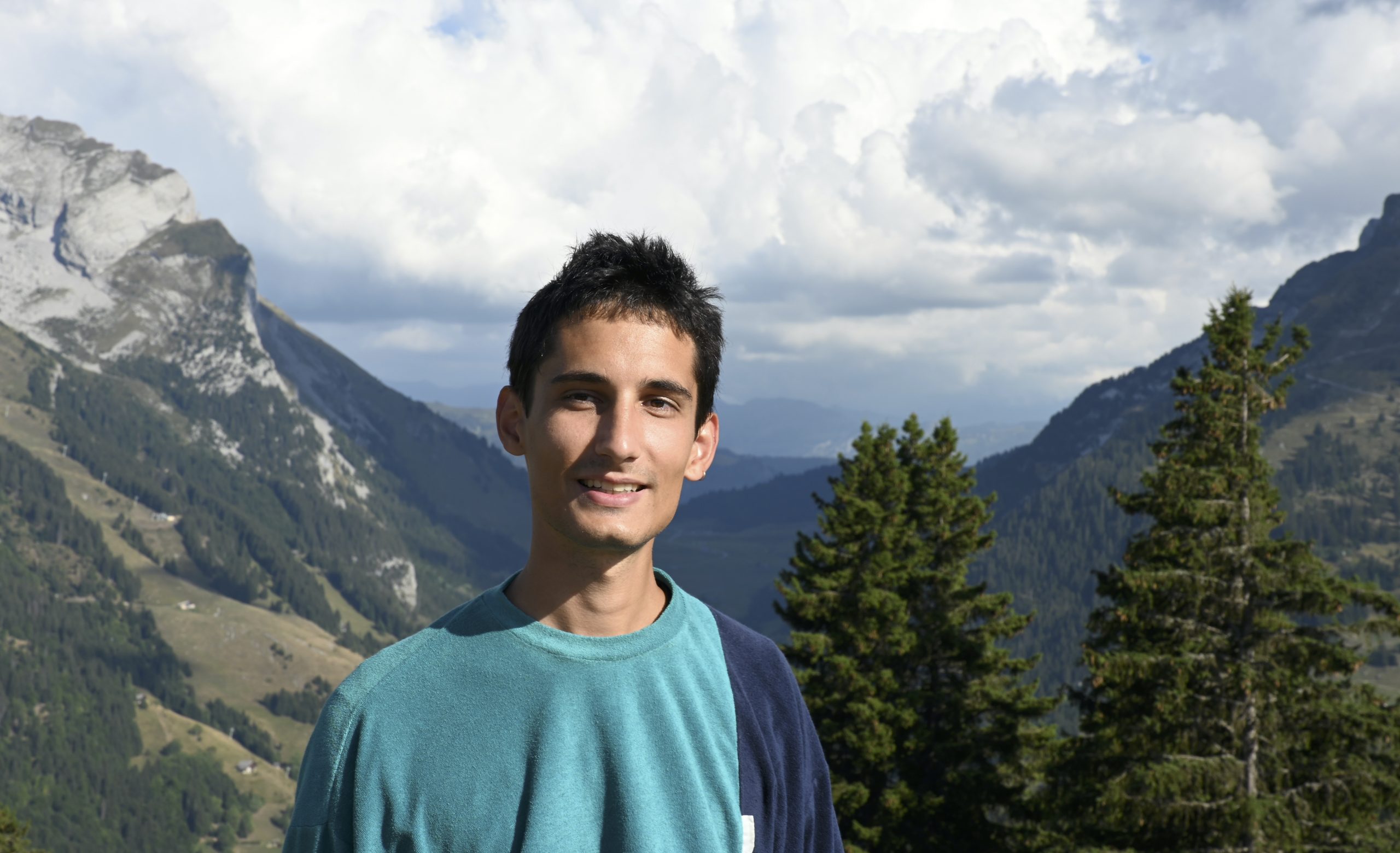
September – December 2025: Tristan Dot (Cambridge)
Tristan Dot is a PhD candidate in Digital Art History at the University of Cambridge, researching nineteenth-century textile patterns and the epistemology of digital art history.

October – December 2025: Ellen Charlesworth (Durham)
Ellen Charlesworth is an AHRC-funded PhD researcher at Durham University whose work examines how museums use digital platforms and how algorithmic infrastructures shape public access to cultural content.
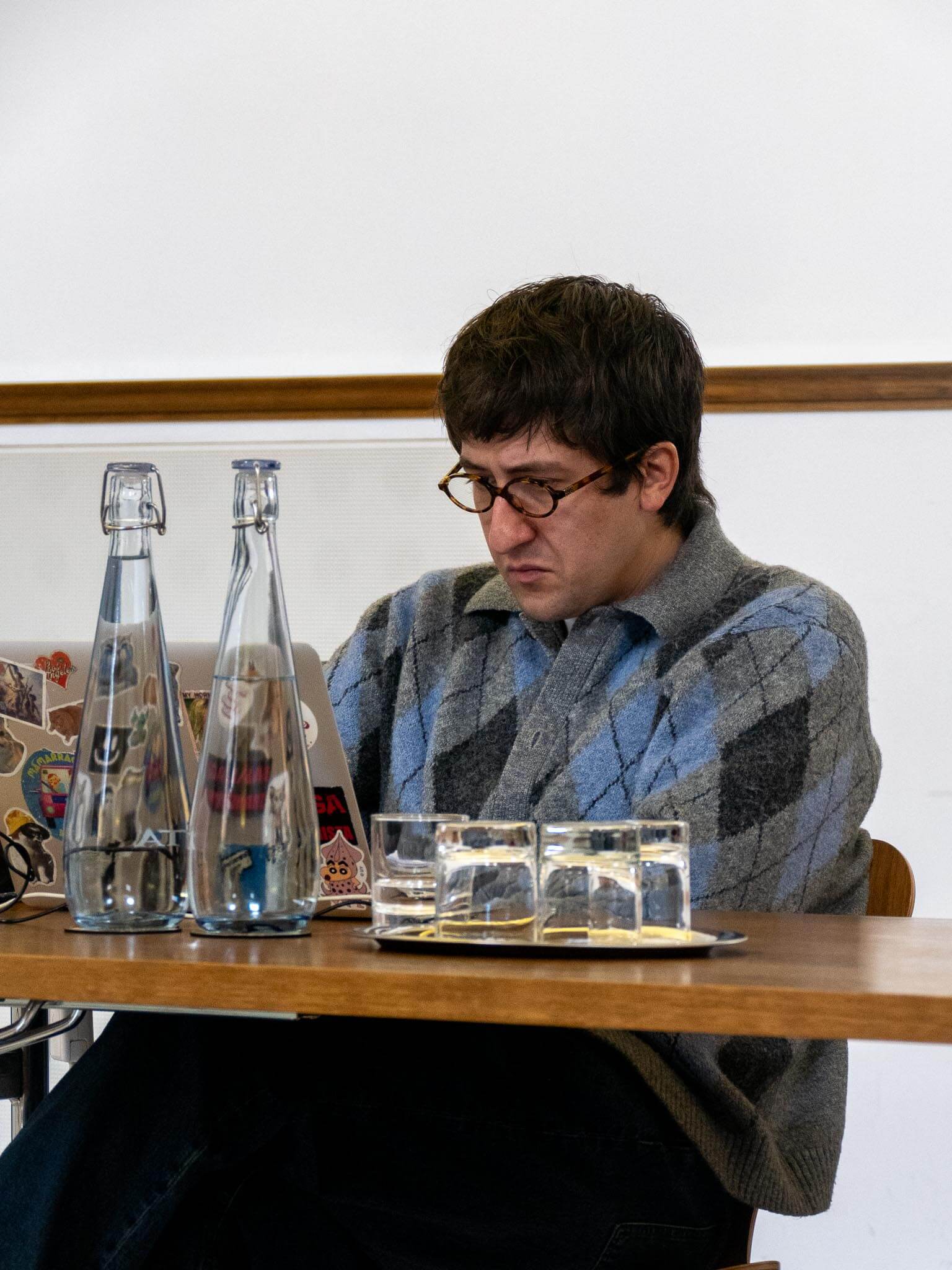
January – March 2026: Angel Fernandez (Malaga)
To be added.

September 2026 – January 2027: Lachlan Kermode (Brown)
Lachlan Kermode is a PhD Candidate in Modern Culture and Media (Brown University) and a Research Fellow at the research agencies Forensic Architecture (Goldsmiths, University of London) and LIMINAL (University of Bologna). He researches the history of computer science and software engineering, 20th century mathematics, and the critique of political economy.
Visitors
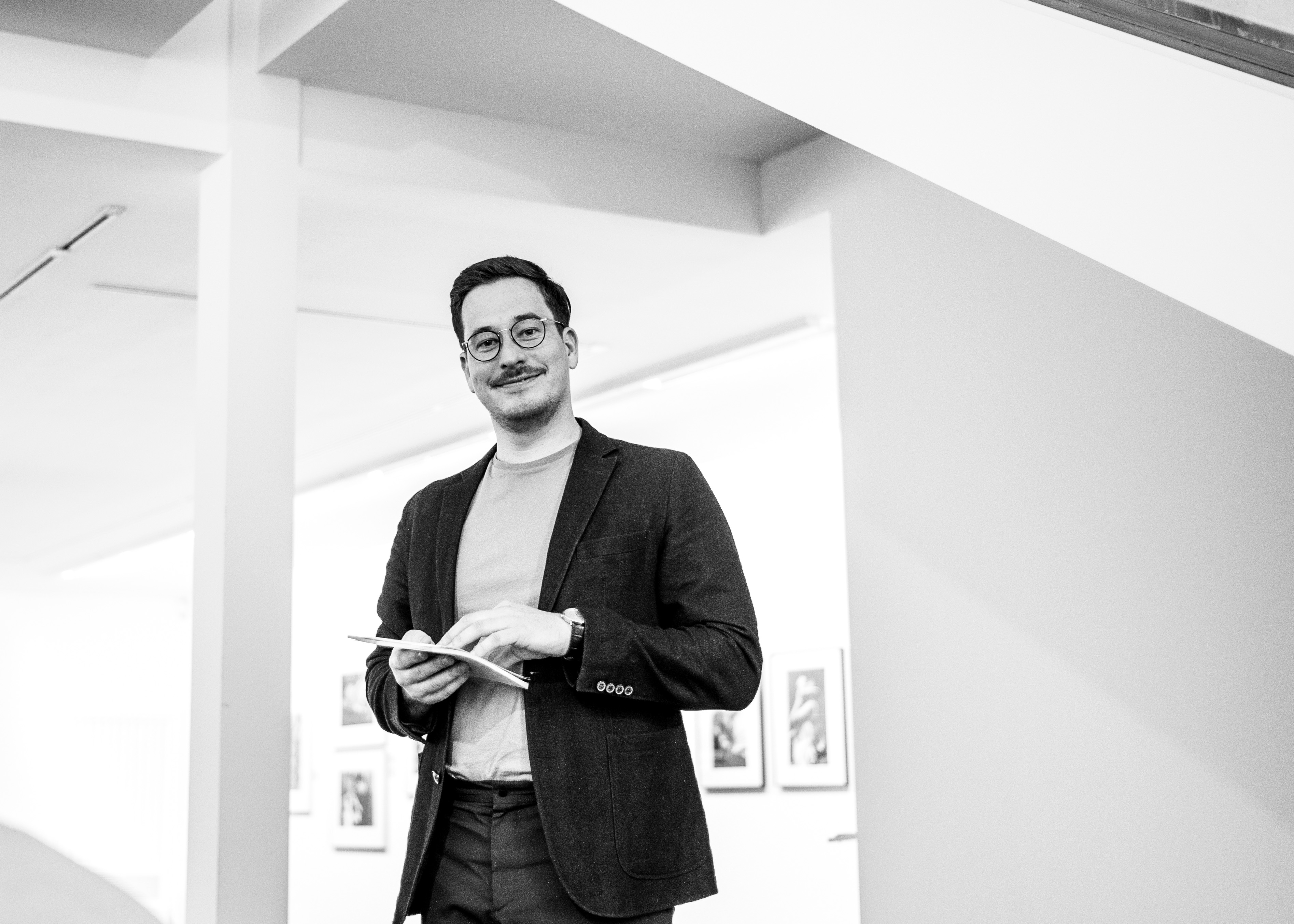
October 2025: Dominik Bönisch (Düsseldorf)
Dominik Bönisch is a researcher at MIREVI, Düsseldorf, working on AI-based archiving, museum collections, and algorithmic mediation in cultural heritage.
November 2025: Silvia Garzarella (Bologna / Utrecht)
Silvia Garzarella is a PhD candidate at the University of Bologna studying the remediation of intangible dance heritage, with a focus on the choreographic and archival afterlives of Rudolf Nureyev.
Postdocs

September 2025 – September 2026: Violaine Boutet de Monvel
Violaine Boutet de Monvel works on noise and recursivity in art and media, from video feedback systems to generative AI, drawing on contemporary art theory and media studies.

April 2026 – April 2027: Amira Moeding
Amira Moeding works on the intellectual history of computation, from early computational linguistics to contemporary AI, with interests in epistemic change in data-driven research cultures.
Cambridge Node
Visitors

September 2025 – March 2026: Marta Pizzagalli (Lugano)
Marta Pizzagalli is a PhD researcher at USI Lugano working on comparative literature, intermediality, and the visual apparatuses embedded in literary texts.
Past Visitors: Adrien Jeanrenaud (Geneva), Ludovica Schaerf (Zürich)
PhD Students
2022 – 2026: Tristan Dot
(See above)

2023 – 2027: Alessandro Trevisan
Alessandro Trevisan works on the philosophy of language in LLMs, including multimodality and vision, especially in dialogue with Wittgenstein.

2024 – 2028: Emmanuel Iduma
Emmanuel Iduma is a writer, art critic and Gates Scholar. His research looks at Nigerian conflict photojournalism through the lens of distant viewing.
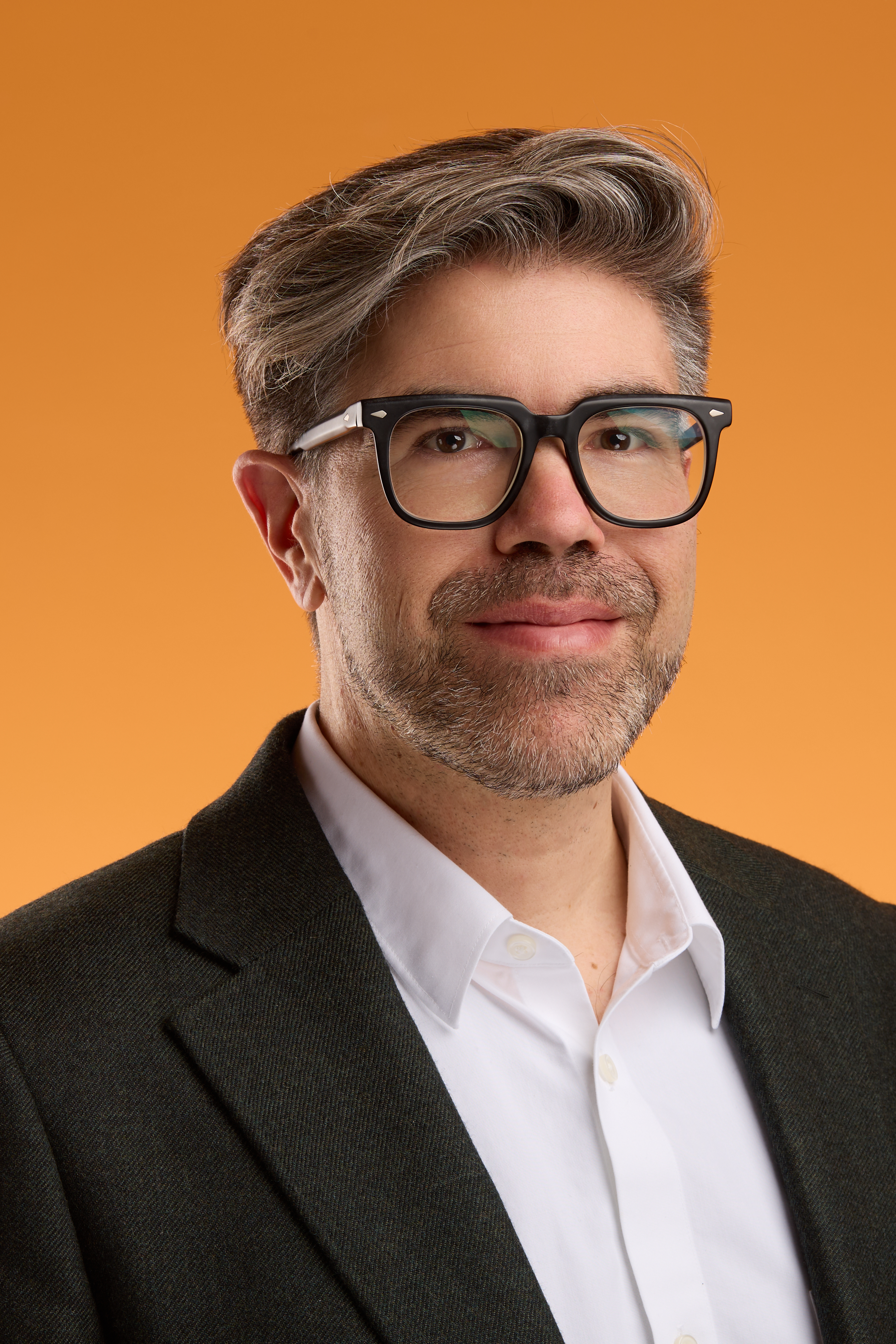
2025 – 2029: Eryk Salvaggio
Eryk Salvaggio is a media artist and Gates Scholar studying generative AI from a digital-humanities perspective, focusing on archives, media ecologies, and critical data studies.
Publications and Outputs
- Forthcoming: Vector Media (Meson Press, 2025) by Leonardo Impett and Fabian Offert
Events and News
To stay up to date with our research, subscribe to our RSS feed.
Noisy Systems: Aesthetics, Epistemology, and Computation
4–5 June 2026
In machine learning and information theory, noise is typically defined as an unwanted intrusion into a signal—yet recent advances in large language and diffusion models place noise at the center of their operation.
Black Hole | Black Box: Limits, Opacity, and the Unknown Across Art, Science, and Media
19-20 March 2026
This conference examines limits, opacity, and the unknown by bringing together two notions from very different domains: the black hole of astrophysics and the black box of computation in which theoretical and empirical boundaries are reached.
Contact
If you really must